
Applications, Materials and Compliance Considerations
High-temperature aircraft tapes are used in areas exposed to elevated heat, thermal cycling, and harsh environmental conditions.
Typical applications include insulation blankets, bleed air duct areas, engine nacelle adjacencies, and thermal shielding around aircraft systems.
Despite their specialised materials, these tapes remain non-structural consumable materials.
Installation approval is governed by approved maintenance data and regulatory requirements.
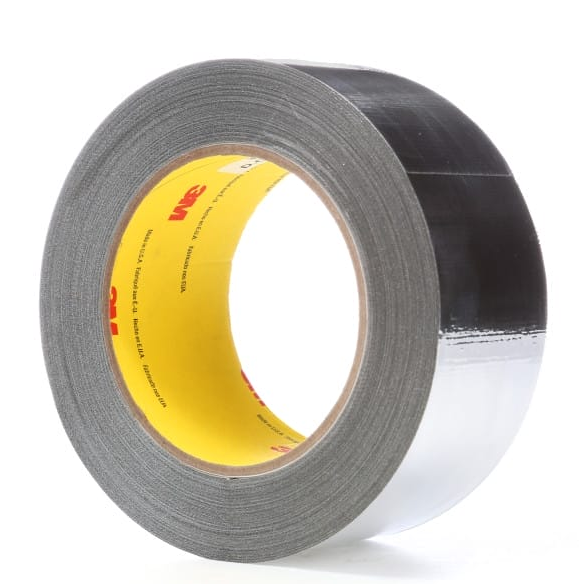
Technical Scope
- Typical high-temperature tape applications
- Common thermal-resistant backing materials
- Regulatory approval considerations
- Known failure modes in thermal environments
- Inspection and compliance risks
Where High-Temperature Aircraft Tapes Are Used
High-temperature tapes are typically used where aircraft systems experience sustained heat exposure or thermal cycling.
| Application Area | Typical Function |
|---|---|
| Insulation blanket seams | Thermal containment |
| Engine nacelle proximity | Surface protection |
| Bleed air duct areas | Heat shielding |
| High-temperature masking | Surface protection during processing |
| Duct sealing | Environmental sealing |
What High-Temperature Tape Is
- Glass cloth silicone tapes
- Aluminium / glass laminate tapes
- Polyimide film tapes
- PTFE-coated glass cloth
- High-temperature pressure-sensitive adhesive systems
Materials
See the materials comparison table:
| Tape Type | Typical Use | Temperature Capability | Risk |
|---|---|---|---|
| Glass cloth silicone | Heat shielding | High | Adhesive creep |
| Polyimide | Electrical insulation | Very high | mechanical damage |
| Aluminium laminate | thermal reflection | Moderate | edge lift |
Technical Properties
| Property | Importance |
|---|---|
| Temperature resistance | Adhesion stability at elevated temperature |
| Thermal cycling tolerance | Performance during heating and cooling cycles |
| Adhesive integrity | Prevents edge lift and creep |
| Flame resistance | Required for some aircraft zones |
| Mechanical flexibility | Allows installation around complex surfaces |
What High-Temperature Tape Is NOT For
- Structural repairs
- Permanent aerodynamic repairs
- Primary load path reinforcement
- Substitution for engineered repair schemes
- Replacement for mechanical fasteners
Top Risks in Thermal Environments
- Adhesive breakdown due to excessive heat
- Thermal expansion causing bond stress
- Edge lift during thermal cycling
- Material embrittlement over time
- Improper installation near heat sources
Top Risks in Thermal Environments
- Adhesive breakdown due to excessive heat
- Thermal expansion causing bond stress
- Edge lift during thermal cycling
- Material embrittlement over time
- Improper installation near heat sources
Specification & Approval Considerations
Aircraft tape installation must comply with approved maintenance data and applicable specifications.
- AMM procedures
- SRM repair schemes
- OEM process specifications
- Engineering orders (EO)
- Supplemental type certificates (STC)
Authority Hierarchy

Environmental Resistance
| Environmental Factor | Risk |
|---|---|
| Hydraulic fluid | Adhesive degradation |
| Fuel exposure | Chemical attack |
| Moisture | Corrosion risk under tape |
| Thermal cycling | Adhesive fatigue |
Related Tape Families
Installation Considerations
Installation must follow approved maintenance procedures and environmental preparation requirements.
- Surface preparation
- Temperature limits during installation
- Overlap orientation
- Inspection after installation
Storage
- Temperature-controlled storage
- Protection from UV exposure
- Shelf life verification
- First-in-first-out inventory control
High-temperature aircraft tapes are specialised consumable materials designed for demanding thermal environments.
Despite their performance capabilities, they remain non-structural materials governed by installation approval and regulatory compliance.
Need aircraft-approved tape matched to a specification or program requirement?
For specification-level comparison of aerospace tape families and sourcing guidance, see SpeedTapes.com.
Can high-temperature tape survive autoclave cure processes?
Some can, but this is a manufacturing application that requires specific product selection. Standard foil/glass cloth silicone tape — the type used for hot-zone thermal wrapping in maintenance — is not designed for autoclave use. Autoclave-compatible tapes are a separate category engineered for vacuum bagging and composite cure processes, where they must withstand elevated temperature and pressure cycles without outgassing, adhesive migration, or bond failure. If you are specifying tape for a composite cure process, specify it as a bagging or process tape and verify compatibility with the specific cure temperature, pressure, and cycle time. Do not substitute a maintenance-grade high-temperature tape in a composite manufacturing process.
What tape is used for composite cure masking in aerospace manufacturing?
High-temperature masking tapes for composite cure processes are typically polyimide film or glass cloth constructions with silicone adhesive rated to the cure temperature of the resin system being used. For epoxy systems curing at 120–180 °C, polyimide PSA tapes are commonly used. For higher-temperature systems, glass cloth silicone tapes rated beyond 200 °C may be required. The tape must not leave adhesive residue on the part surface or tooling after cure and removal. Always verify that the tape’s outgassing characteristics are acceptable for the specific resin system — contamination from adhesive volatiles can affect the cure and the finished laminate.
Is high-temperature foil tape suitable for exterior aircraft use?
Foil/glass cloth silicone tape is not typically used for exterior aerodynamic applications. Its silicone adhesive has lower initial tack than acrylic PSA and does not perform well under the sustained peel forces of airflow over an external surface. It is an internal and maintenance application tape — engine bay wrapping, hot-zone thermal management, duct insulation, heat shielding in enclosed zones. For exterior temporary sealing, aluminium foil tape with acrylic PSA is the correct family. If you need a tape for an exterior hot-zone application, confirm the specific product and application with the approved maintenance data — the answer will depend on the zone, the temperature, and the aerodynamic exposure.
Can you overlap high-temperature tape runs, and does it affect performance?
Overlapping is standard practice for wrapping applications — typically 50% overlap on cylindrical surfaces to ensure full coverage without gaps. Overlap does not significantly affect thermal performance for most wrapping applications. What matters is that the overlap is consistent, that the tape does not bridge gaps (which creates air pockets reducing thermal contact), and that the wrap direction sheds fluid toward low points rather than trapping it. For applications governed by an OEM specification or maintenance manual, the overlap percentage and wrap direction will be specified — follow that rather than general guidance.
What is the difference between silicone PSA and acrylic PSA at high temperatures?
Acrylic PSA softens as temperature rises above its service ceiling — typically around 149 °C for foil tape — and eventually loses bond strength entirely. Silicone PSA behaves differently: it remains stable at elevated temperatures and in some constructions continues to perform at 200 °C and above. Silicone PSA also has better resistance to UV degradation and oxidation over time. The trade-off is initial tack: silicone PSA has lower room-temperature tack than acrylic, which is why silicone-backed tapes require firmer application pressure and more thorough surface preparation to achieve a reliable bond. For any zone that will see sustained temperatures above 150 °C, silicone PSA is the correct adhesive system.