
Specifications, Compliance & Selection for electrical & insulation tapes
Electrical insulation aircraft tape protects wiring systems from heat, abrasion, moisture, and electrical shorting.
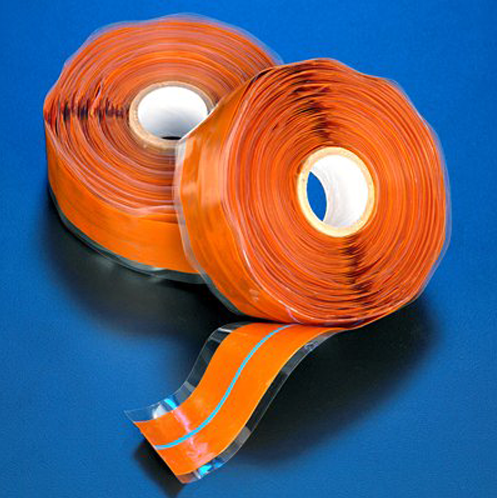
Materials used include polyimide, PTFE, fiberglass, and limited-use PVC constructions depending on temperature, dielectric requirements, and environmental exposure.
Installation must always follow approved aircraft maintenance data.
Key Regulatory References
- FAR 25.1707 — EWIS protection
- FAR 25.853(a) — interior flammability
- SAE AS22759 — aircraft wire performance reference
- OEM wiring manuals
- Aircraft AMM / EWIS documentation
Aircraft Electrical Tape Applications — At a Glance
| Aircraft Zone | Tape Role | Key Constraint |
|---|---|---|
| Avionics bays | Wire insulation & harness protection | Maintain dielectric isolation |
| EWIS harness bundles | Anti-short and bundle protection | Must follow EWIS separation rules |
| Equipment racks | Cable wrap & identification | Avoid adhesive contamination |
| Interior cabin wiring | Harness insulation | FAR 25.853 flammability compliance |
| Engine-adjacent wiring | High-temperature insulation | Polyimide / fiberglass required |
What Electrical Insulation Aircraft Tape Is
Electrical insulation aircraft tape is a pressure-sensitive material designed to electrically isolate conductors and protect aircraft wiring systems.
It prevents arc tracking, short circuits, and mechanical damage to wire bundles.
Tape selection forms part of system-level EWIS compliance rather than simply a material choice.
What the Tape Is Made From
Polyimide Tape (Kapton-Type)
- Polyimide film backing with silicone adhesive.
- Typical temperature capability up to approximately 260°C depending on construction.
- Key characteristics:
- High dielectric strength
- Excellent temperature resistance
- Low outgassing properties
PTFE Insulation Tape
- PTFE film with silicone adhesive.
- Known for strong chemical resistance and low friction surfaces.
- Commonly used near fuel systems or hydraulic environments.
Fiberglass Electrical Tape
- Woven glass cloth backing with silicone adhesive.
- Provides high mechanical durability and flame resistance.
- Less conformable than polyimide film tapes.
PVC Electrical Tape (Limited Use)
- PVC film tape used only in specific interior zones.
- Limited temperature tolerance and long-term adhesive stability.
- Not suitable for high-temperature aircraft environments.
Key Technical Properties
| Property | Polyimide | PTFE | Fiberglass | PVC |
|---|---|---|---|---|
| Dielectric strength | High | High | Moderate-High | Moderate |
| Max temperature | ~260°C | ~260°C | ~260°C | ~80°C |
| Chemical resistance | Moderate | Excellent | Moderate | Low |
| Abrasion resistance | Moderate | Low | High | Low |
| Conformability | High | High | Moderate | High |
What Electrical Tape Is NOT For
Aircraft Electrical tapes must NOT be used for:
• Structural repairs
• Temporary exterior sealing
• EMI shielding
• Mechanical abrasion protection alone
Aluminium foil tape must never be used for electrical insulation.
Top Engineering Risks
- Arc tracking if insulation fails
- Incorrect material selection for temperature environment
- Chemical degradation from aviation fluids
- Adhesive creep under heat exposure
- Improper harness routing or bundling
Regulatory & Compliance Considerations
| Regulation | Scope |
|---|---|
| FAR 25.1707 | EWIS separation and protection |
| FAR 25.853(a) | Interior material flammability |
| OEM wiring manuals | Installation authority |
| Engineering orders | Location-specific approvals |
Material compliance does not replace approved maintenance data.
Installation must always follow aircraft-specific documentation.
Environmental Resistance
Heat
High-temperature zones require materials such as polyimide or fiberglass constructions.
PVC electrical tape is not suitable for high-temperature aircraft environments.
Fluid Exposure
Aircraft fluids such as Skydrol, jet fuel, and cleaning solvents may degrade adhesives.
PTFE backings offer strong chemical resistance, but adhesive compatibility must still be verified.
Vibration & Abrasion
High vibration environments may require additional sleeving or harness support.
Tape alone is not a substitute for proper routing and clamping.
Related Tape Families
| Tape Family | Primary Use |
|---|---|
| Aircraft Aluminium foil tape | Temporary exterior sealing |
| Aircraft Polyurethane protective tape | Erosion protection |
| Aircraft UHMW-PE tape | Anti-chafe protection |
| Aircraft Glass cloth silicone tape | Thermal shielding |
Installation Best Practices
- Clean and dry wiring surfaces
- Inspect existing insulation before wrapping
- Apply consistent tension
- Use approximately 50% overlap where required
- Avoid air pockets
Shelf Life & Storage
| Parameter | Guidance |
|---|---|
| Shelf life | 12–24 months |
| Storage temperature | 16–27°C |
| Humidity | Controlled |
| UV exposure | Avoid |
Procurement Checklist
- Confirm material family
- Verify temperature rating
- Confirm dielectric strength
- Verify FAR 25.853(a) compliance if applicable
- Confirm approved maintenance reference
- Obtain Certificate of Conformance
- Verify manufacture date and shelf life
Electrical insulation aircraft tape protects aircraft wiring systems from heat, abrasion, chemical exposure, and electrical shorting.
Material selection must match the operating environment and comply with approved maintenance documentation.
For specification-matched aerospace tape sourcing see SpeedTapes.com.
What specification covers aircraft electrical tape?
Several, depending on the type and application. MIL-I-19166C (with QPL-19166) is the primary US military specification for glass cloth electrical insulation tape — it defines the grades, classes, and minimum physical and electrical properties. The AS23053 series (formerly MIL-I-23053) covers heat-shrinkable insulation sleeving rather than tape directly, but you will encounter it in harness specifications alongside tape references. For polyimide film tape, the relevant OEM specifications and process specs vary by platform. When the approved maintenance documentation calls out a specific specification, that is the governing reference — not the tape manufacturer’s generic datasheet.
What is the difference between Class F and Class H electrical insulation tape?
The classification refers to the maximum continuous operating temperature the insulation material is rated for, following the IEC 60085 thermal classification system. Class F is rated to 155 °C. Class H is rated to 180 °C. In aircraft harness applications, the insulation tape class must be compatible with or exceed the thermal class of the wire insulation it is applied to. Using a Class F tape on a harness routed through a Class H zone is a selection error. Verify the thermal class requirement against the harness specification and the zone classification before specifying or ordering.
What does “corrosion factor 1.0” mean on a tape datasheet?
The corrosion factor test puts copper strips in contact with the tape under heat and humidity, then measures the change in electrical resistance of the copper. A corrosion factor of 1.0 means the resistance of the copper after exposure is unchanged — the adhesive and backing chemistry have not attacked the conductor. It is not the same as a galvanic corrosion assessment between dissimilar metals. It specifically tells you the tape won’t chemically degrade the wire it is wrapped around over time. In a harness environment where the tape sits against copper conductors for years in humid conditions, a non-corrosive result is the minimum standard — anything above 1.0 should prompt you to check the adhesive chemistry before specifying.
What is the difference between thermosetting and pressure-sensitive adhesive for electrical tape?
Pressure-sensitive adhesive bonds under hand pressure at room temperature — no heat, no solvent, no curing step required. Most aircraft electrical tapes use PSA for this reason. The “thermosetting” part describes what happens after the tape is applied: the adhesive cross-links further when exposed to elevated operating temperatures, so performance improves with heat rather than degrading. This matters in a harness application where the tape will see repeated thermal cycling. A standard PSA softens and loses bond strength at temperature. A thermosetting PSA stiffens and stabilises. The distinction is relevant when selecting for high-temperature zones — confirm the adhesive type on the datasheet, not just the backing and temperature rating.
How do I choose between polyimide and glass cloth tape for a high-temperature harness zone?
Glass cloth silicone above 180 °C, polyimide below it — but temperature isn’t the only factor.
Glass cloth is tougher. Better abrasion resistance, better in high-vibration zones, better where the bundle routes near structure. Thermosetting silicone constructions can reach 260 °C continuous — well above the PSA class ceiling.
Polyimide is thinner and more conformable. Better for tight geometries and small-diameter wire. Standard PSA ceiling is around 180 °C.
Either way, the AMM or OEM process spec takes precedence. This logic only applies where the approved data leaves you discretion.